
Grief Support During Back-to-School Season: Helping Children Cope with Loss
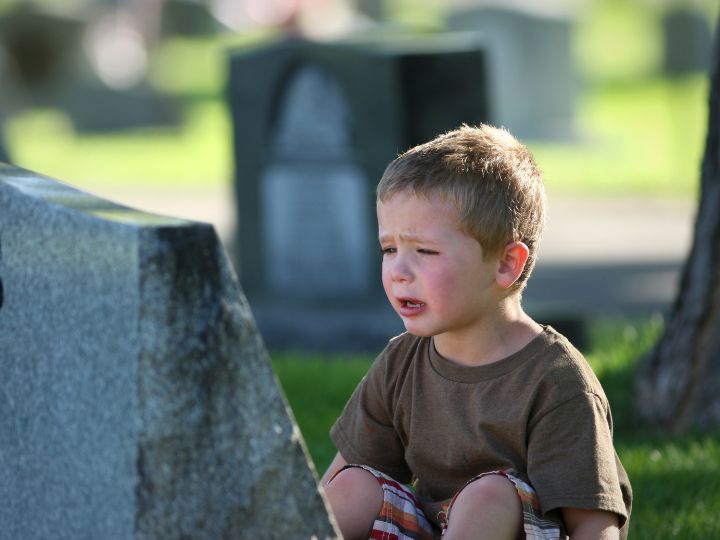
The back-to-school season usually brings excitement—new backpacks, fresh notebooks, and the anticipation of seeing friends again. But for children who've recently lost a loved one, this time of year can feel overwhelming. While other kids are buzzing about their summer adventures, your child might be struggling with an empty seat at the dinner table or missing the person who used to help them pick out their first-day outfit.
At Ervina White Beauford Funeral Service, we understand that grief doesn't follow a timeline, and helping children cope with death is an ongoing journey that requires patience, understanding, and practical support—especially during emotionally charged seasons like back-to-school.
Why Back-to-School Can Be Particularly Hard
The start of a new school year marks a fresh beginning, but it can also highlight loss in painful ways. Your child might notice:
- The absence at morning routines – Maybe Grandpa always made their favorite breakfast on the first day of school, or Mom was the one who took those annual "first day" photos.
- Seeing other families together – School events, parent-teacher conferences, and pickup lines can be stark reminders of who's no longer there.
- Pressure to be "normal" – Kids often feel like they should be excited about school, but grief can make it hard to feel anything but sad or numb.
- Unwanted attention – Well-meaning classmates or teachers might ask questions that your child isn't ready to answer.
These challenges are real, and acknowledging them is the first step in helping your child navigate this difficult season.
Practical Ways to Support Your Grieving Child
1. Keep the Conversation Open and Honest
Children need permission to talk about their feelings—and to know that it's okay if those feelings are messy or confusing. You might say something like, "I know going back to school without Nana feels really hard. It's okay to feel sad, angry, or even a little scared. I'm here whenever you want to talk."
Don't shy away from using clear language like "died" or "death." While it might seem kinder to use phrases like "passed away" or "we lost them," these can actually confuse younger children and make death seem temporary or reversible.
2. Create New Traditions While Honoring the Old
If your loved one had a special back-to-school tradition with your child, find ways to honor that memory while creating something new. You might:
- Write a letter to the person who died, sharing what they're looking forward to this school year
- Choose a small item your child can keep in their backpack as a reminder (like a photo keychain or a piece of jewelry)
- Make their loved one's favorite breakfast on the first day of school in their memory
These small rituals can provide comfort and help your child feel connected to the person they've lost.
3. Communicate with Teachers and School Staff
Your child's teacher can be an incredible ally, but they need to know what's happening at home. Consider sending a brief email or scheduling a quick call to let them know:
- Who your child has lost and when
- How your child is coping (Are they withdrawn? Acting out? Seeming fine but struggling underneath?)
- What kind of support might be helpful (extra patience, a quiet space if emotions become overwhelming, understanding about missed homework)
Many schools also have counselors or social workers who specialize in helping children cope with death and can provide additional support during the school day.
4. Watch for Changes in Behavior
Grief looks different on everyone, and children might not express their sadness in ways you'd expect. Watch for:
- Changes in sleep or appetite
- Withdrawal from activities they used to enjoy
- Increased clinginess or separation anxiety
- Difficulty concentrating or a drop in grades
- Physical complaints like stomachaches or headaches
These behaviors don't necessarily mean something is seriously wrong—they're often normal grief responses. But they do signal that your child might need extra support, whether that's from you, a school counselor, or a grief therapist.
5. Let Them Be Kids
Here's something that surprises many parents: it's completely normal for grieving children to seem fine one moment and devastated the next. Your daughter might cry about missing her dad at breakfast but laugh with friends at recess an hour later. That doesn't mean she's "over it" or didn't really love him—it's just how children's grief works.
Kids process loss in bursts. They'll dip into their grief, feel the pain, and then need to come back up for air and just be kids again. Let them play, laugh, and have fun without guilt. Joy and grief can coexist.
6. Take Care of Yourself Too
If you're also grieving the same loss, the back-to-school season can be doubly hard. You're trying to hold it together for your child while managing your own pain. Remember: you can't pour from an empty cup.
It's okay to let your child see that you're sad too (in age-appropriate ways), and it's more than okay to ask for help—from friends, family, support groups, or professional counselors.
When to Seek Additional Support
Most children will move through their grief with the support of loving adults around them. But sometimes, professional help is needed. Consider reaching out to a grief counselor or therapist if:
- Your child's grief seems to be getting worse rather than better over time
- They're having persistent thoughts about death or dying
- Their behavior is significantly impacting their daily life or relationships
- They're showing signs of depression or anxiety
- You're feeling overwhelmed and unsure how to help
There's no shame in asking for help. In fact, it's one of the bravest things you can do for your child.
You're Not Alone in This
At Ervina White Beauford Funeral Service, we know that our support doesn't end after the funeral services. We've walked alongside countless families in Philadelphia, Pottstown, and the surrounding communities as they've navigated the difficult journey of grief—including helping children cope with death during challenging transitions like back-to-school season.
Whether you need resources, someone to talk to, or just reassurance that what your child is experiencing is normal, we're here for you. Because grief isn't something you should have to handle alone.
The back-to-school season will come with its share of tears, tough moments, and unexpected triggers. But it will also bring opportunities for healing, resilience, and growth. With patience, love, and the right support, you and your child can get through this—one school day at a time.